Agri-food
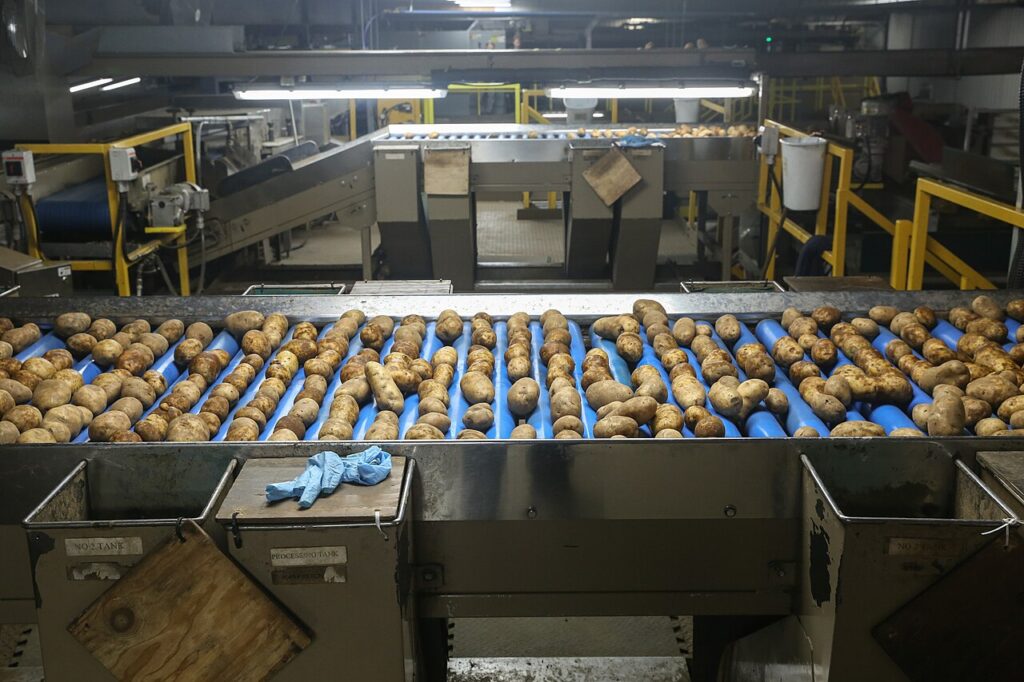
The whole chain from farm to fork: farming, food and beverage processing, food retail and food service. Canada’s agriculture and agri-food system employs about 2.3 million people.
Agronomist
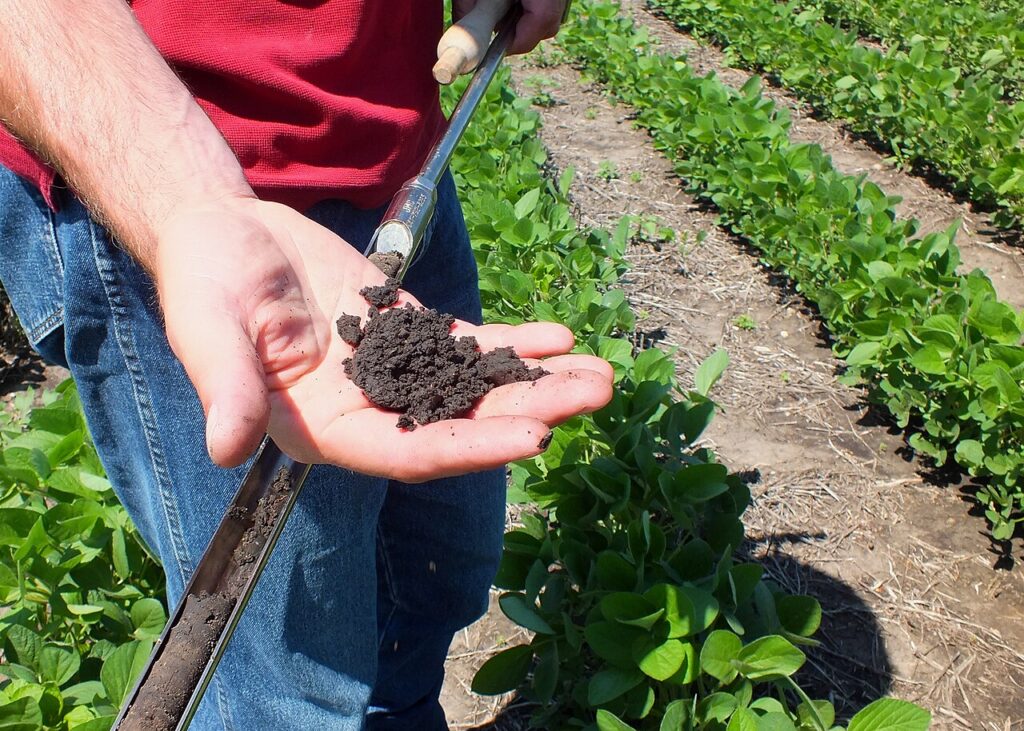
A crop and soil specialist who advises farmers on seeding, soil fertility, weeds, pests and disease. Most provinces regulate the profession: practising agrologists register as a P.Ag. (Professional Agrologist), or as an agronome in Quebec.
Aquaculture

Aquaculture is the breeding and harvesting of fish, shellfish and algae, in both saltwater and freshwater environments. Canadian aquaculture happens mainly in the Maritime…
Backgrounding
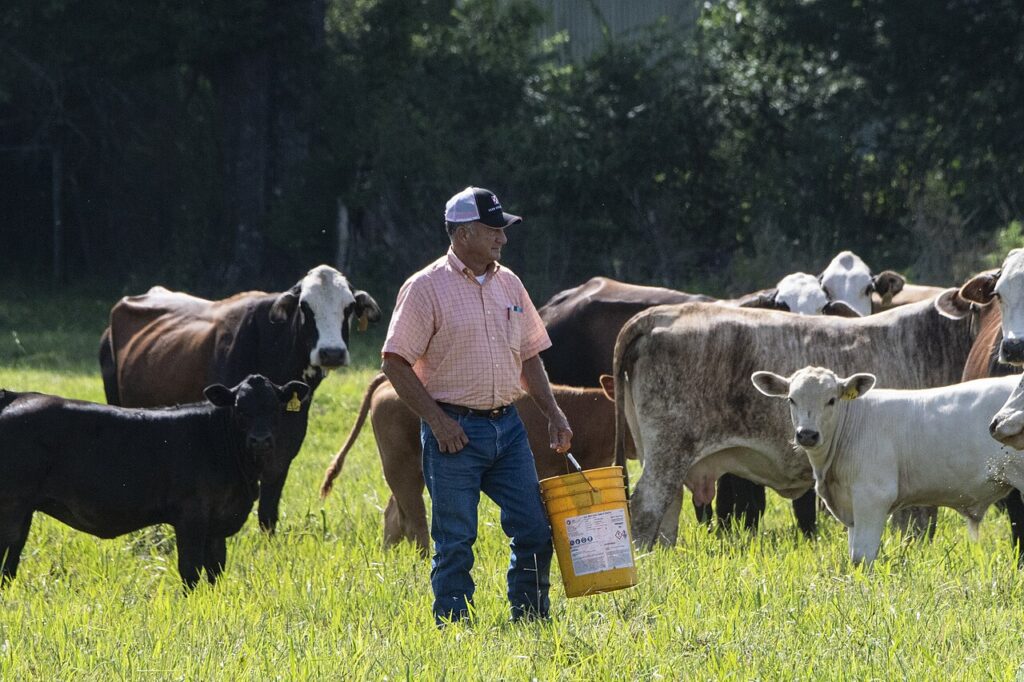
Raising weaned calves on forage and grain until they are heavy enough to go to a feedlot. Backgrounding (or stocker) operations sit between cow-calf ranches and feedlots.
Breadbasket
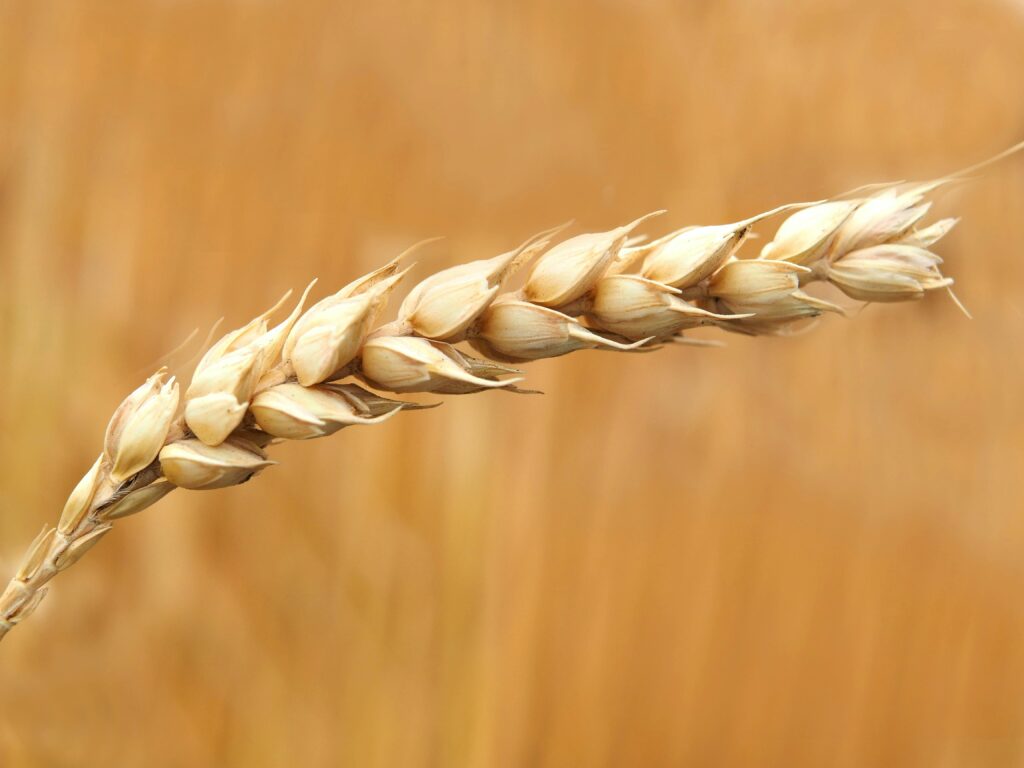
A region where rich soil and a suitable climate allow large-scale production of wheat and other grains. In Canada, the breadbasket of the country…
Census of Agriculture
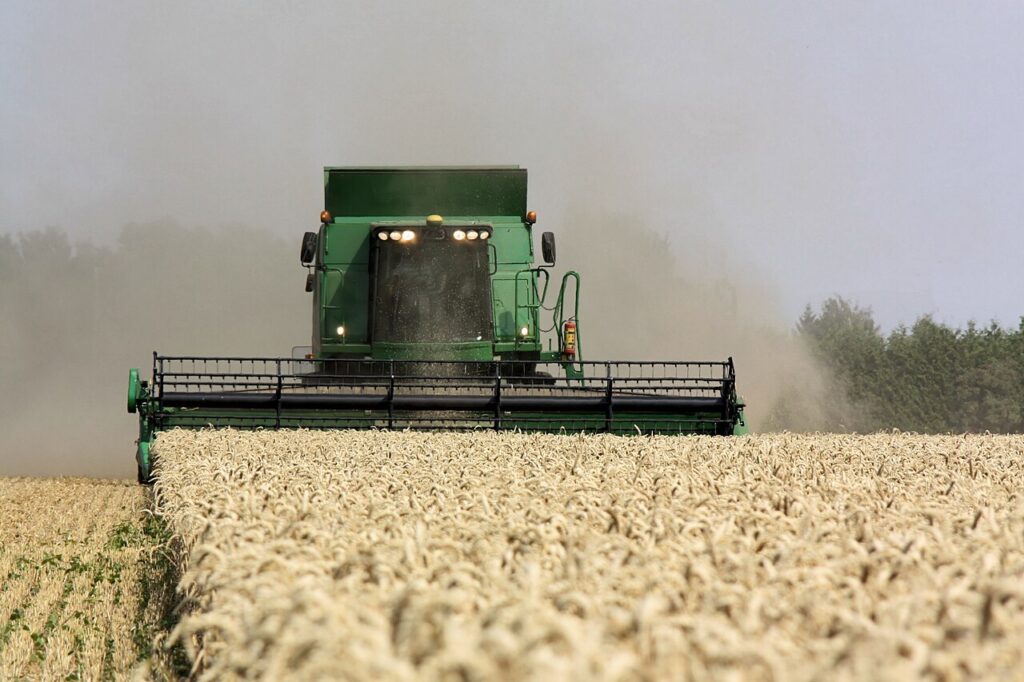
Statistics Canada’s count of every farm in the country, taken every five years. The latest published results are from 2021; results from the 2026 census are due in May 2027.
Cow-calf
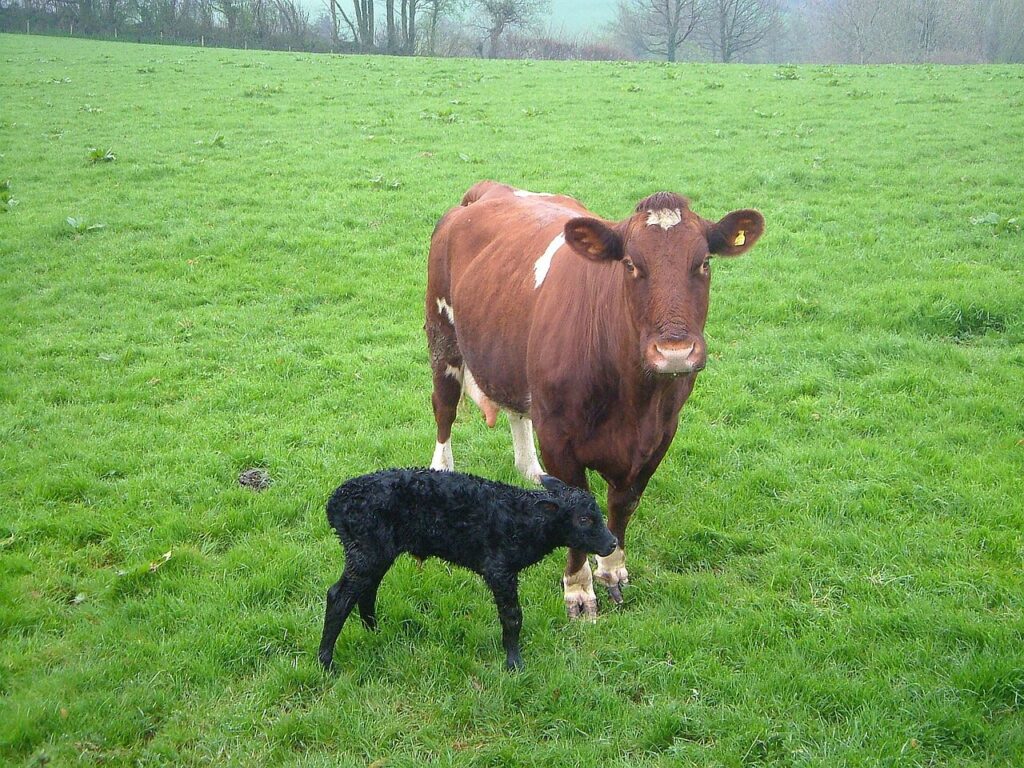
A cow-calf operation is a beef farm or ranch that keeps a herd of breeding cows and raises their calves until weaning. The calves are then sold to backgrounding operations or feedlots.
Feedlot
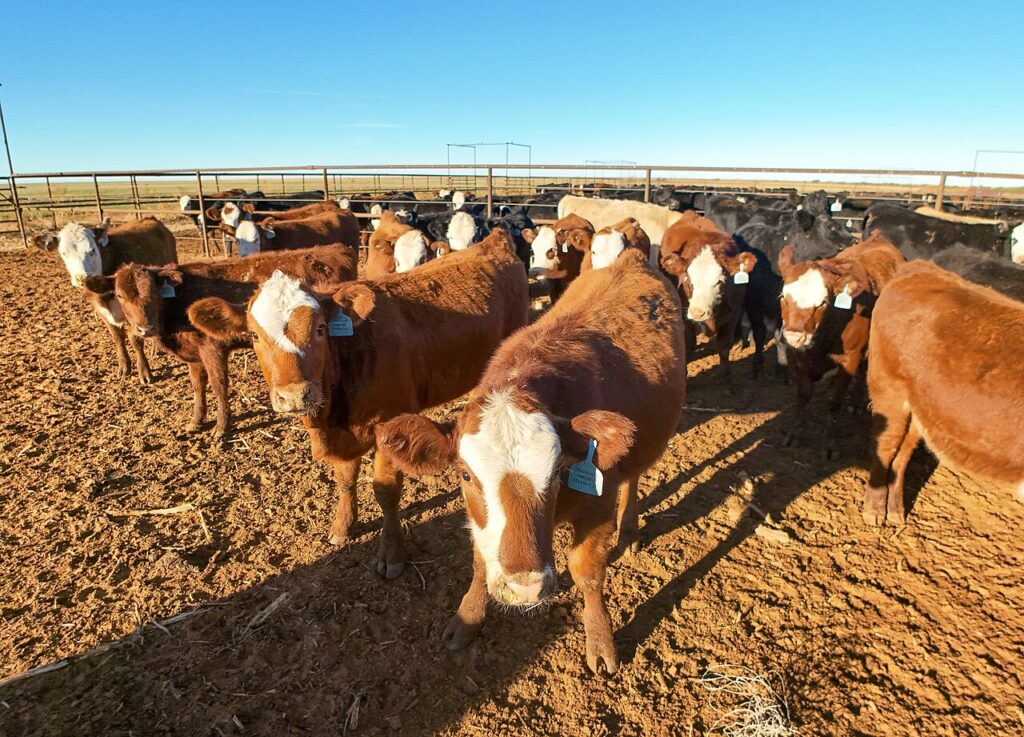
A farm where beef cattle are fed a high-energy ration for the last few months before they go to market. Canada’s largest feedlots are in southern Alberta. Feedlot jobs include pen checking, feeding, processing cattle and animal health work.
Forage
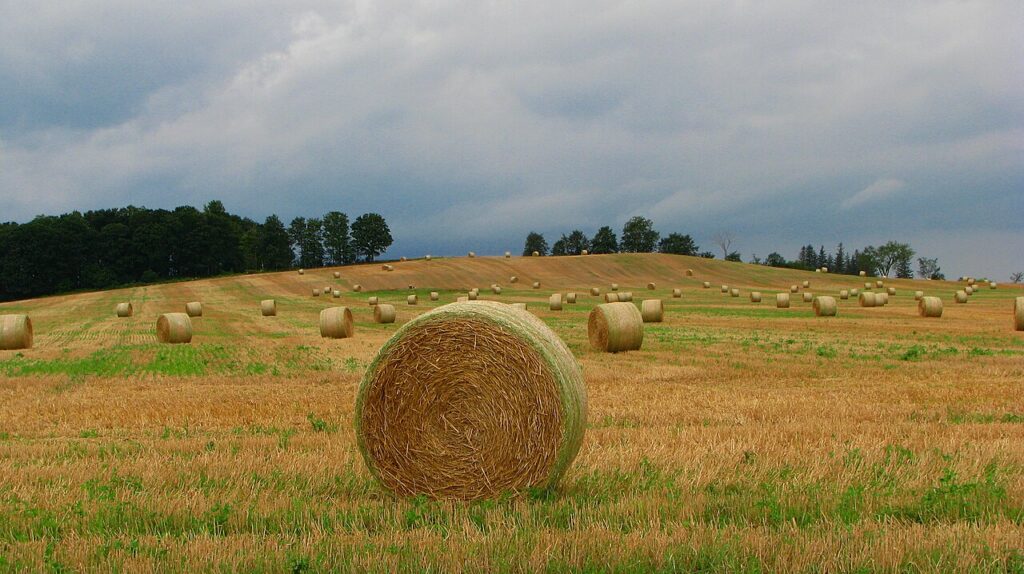
Crops grown to feed livestock, such as hay, alfalfa, clover and grasses. Forage is grazed, baled as hay or stored as silage.
Haskap Berries
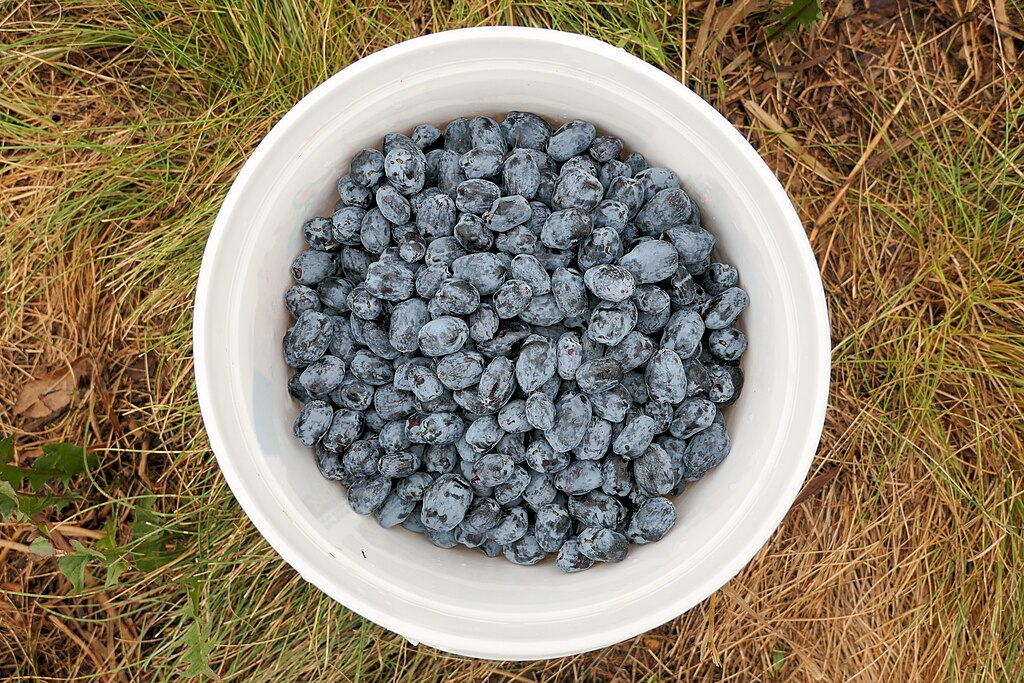
Haskap berries have a unique flavor, often described as a mix between blueberries, raspberries, and blackberries. They are highly nutritious and beneficial for health…
Herdsperson
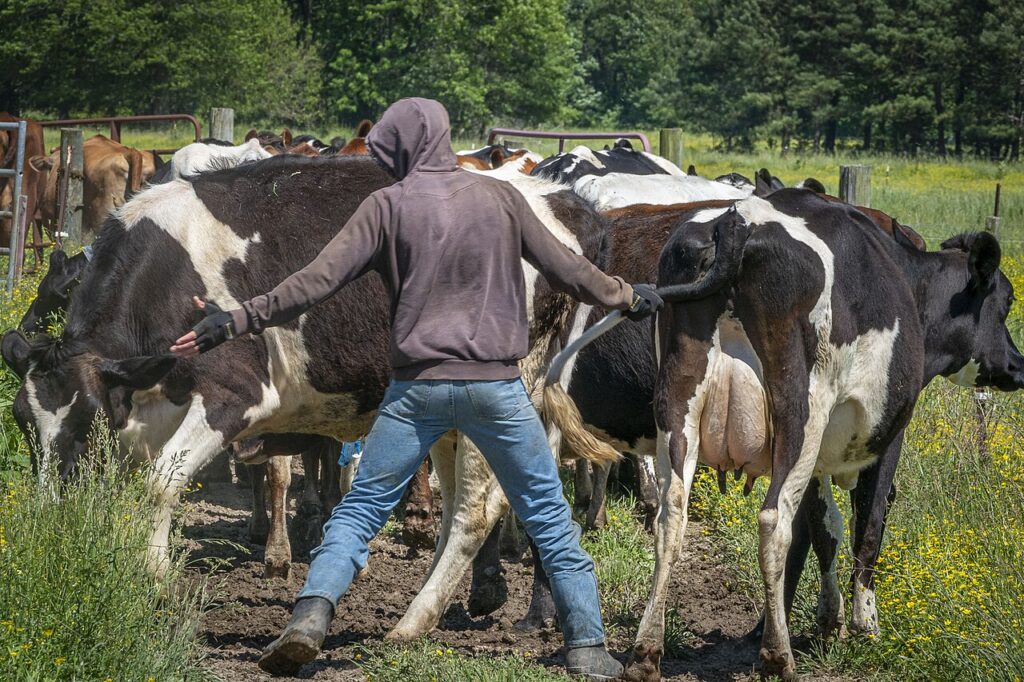
A livestock worker who looks after a herd day to day: feeding, milking on dairy farms, health checks, breeding records and calving. Also called a herdsman or herd manager.
Hundredweight
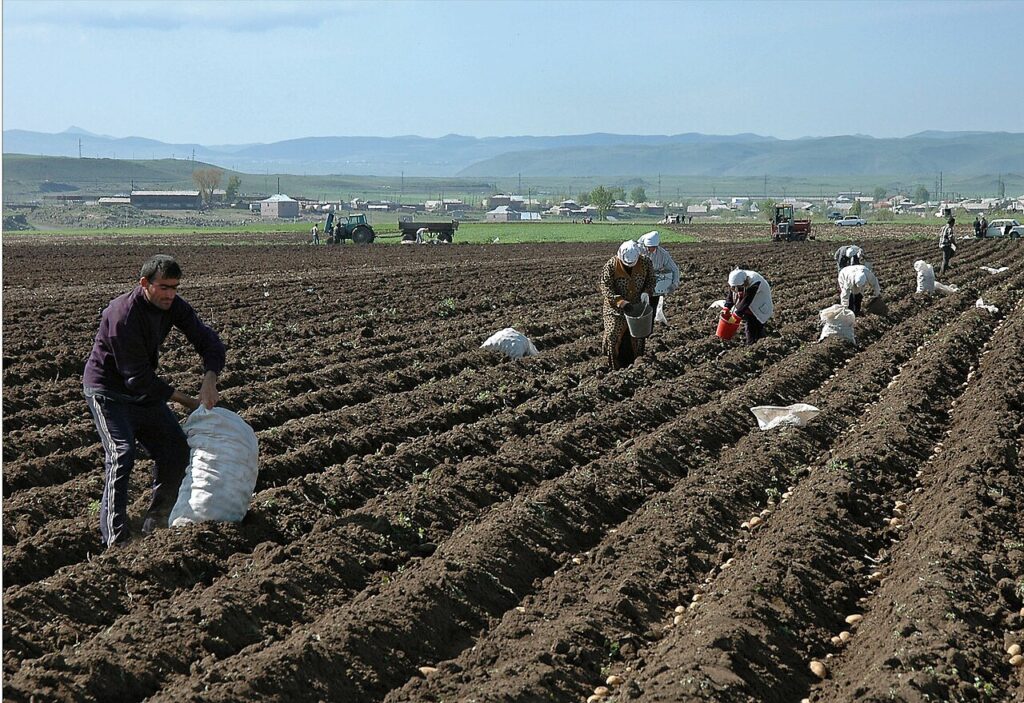
A unit of weight equal to 100 pounds (about 45 kg), shortened to cwt. Potato production and some livestock prices in Canada are reported in hundredweight.
Irrigation district
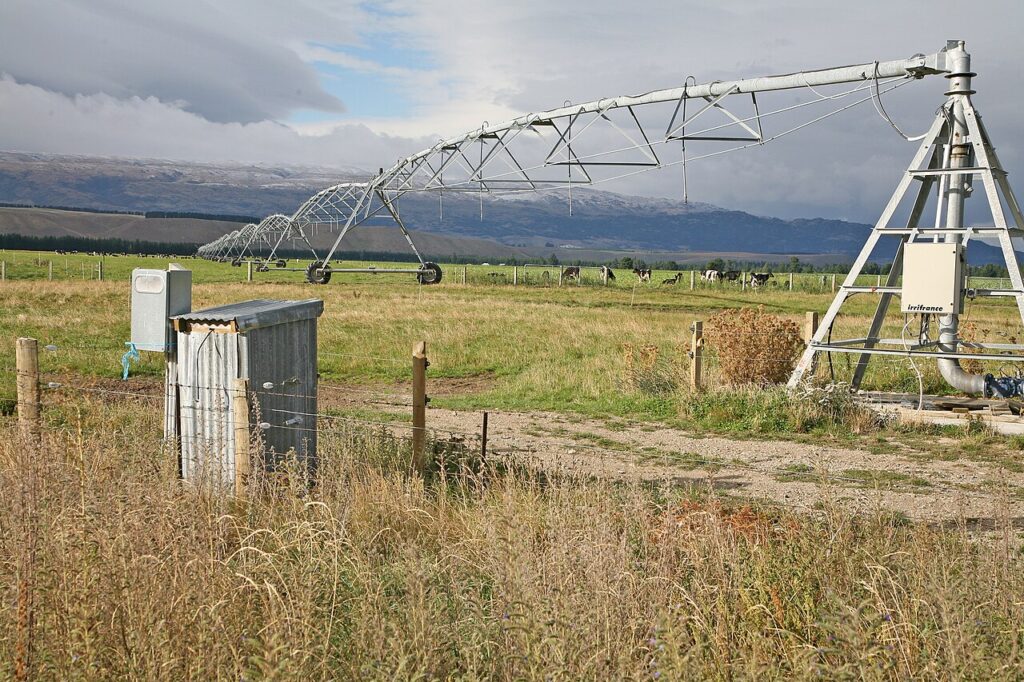
A local organization that owns and runs the canals and pipelines that deliver water to farmland. Alberta has 11 irrigation districts in the south of the province, watering about 1.5 million acres.
Job Bank
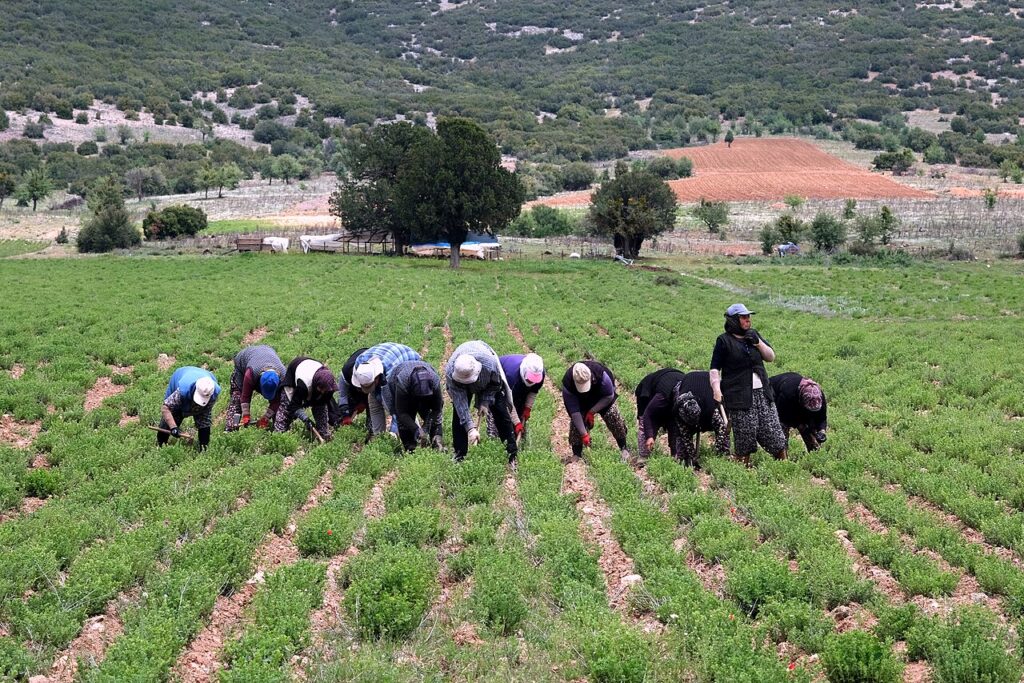
The Government of Canada’s free job site. Many farm jobs, especially those that need an LMIA, are advertised there.
Milk quota
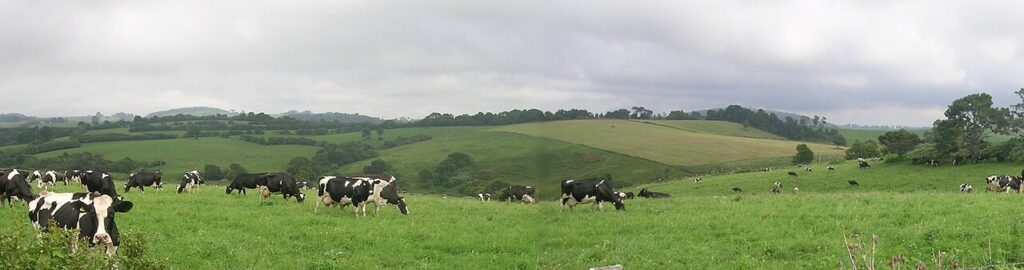
The right to sell a set amount of milk. Every Canadian dairy farm needs quota under supply management, the system that matches milk production to Canadian demand. Quota is bought and sold within each province.
Oilseeds

Oilseeds are crops that are grown to produce edible oils. Some oilseed crops grown in Canada include:
Prairies
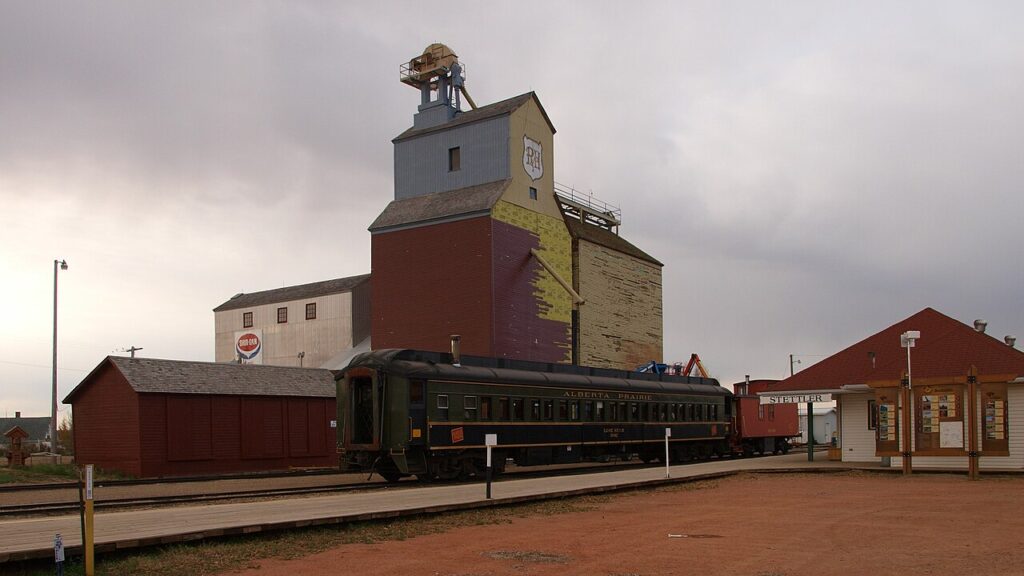
Alberta, Saskatchewan and Manitoba. The three Prairie provinces hold over 80% of Canada’s farmland and grow most of its wheat, canola, barley and pulses.
Pulses
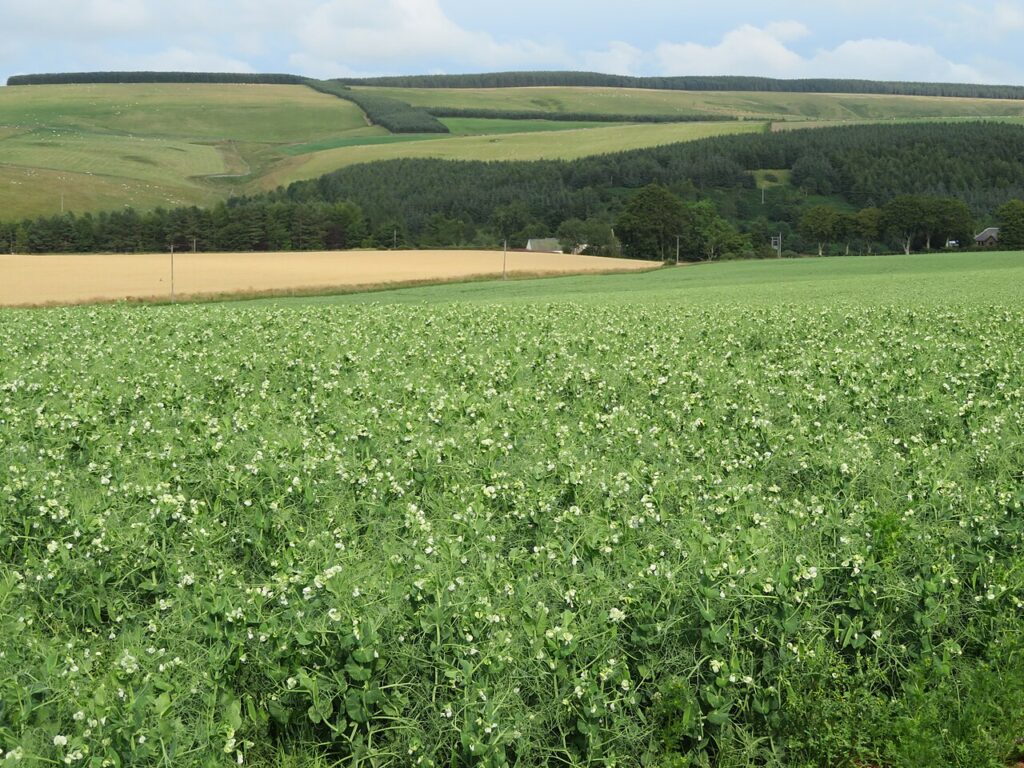
The dry edible seeds of legume crops: lentils, dry peas, chickpeas and dry beans. Canada is one of the world’s largest pulse producers and exporters, and most pulses are grown in Saskatchewan and Alberta.
Seasonal Agricultural Worker Program
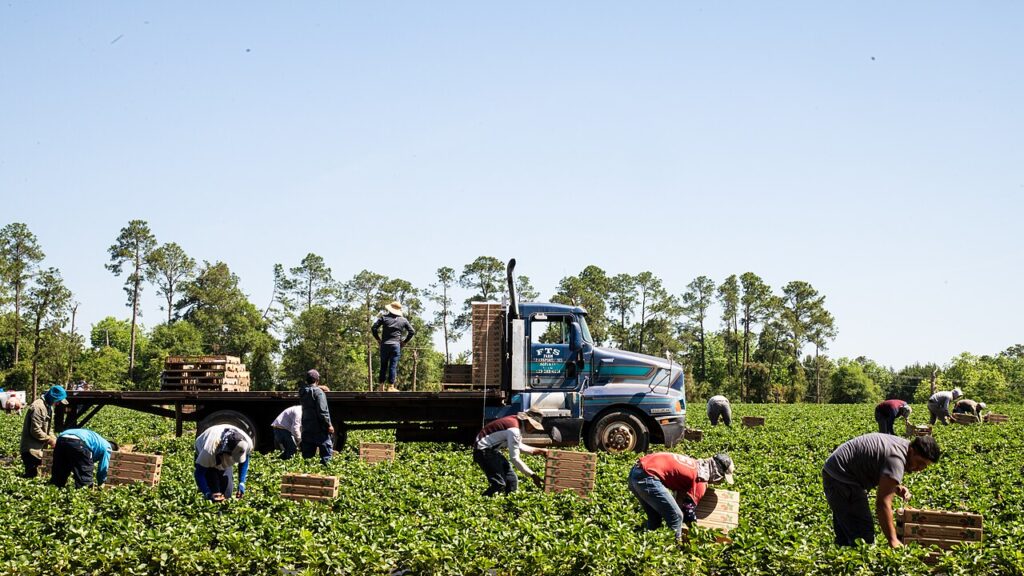
A program that brings workers from Mexico and participating Caribbean countries to Canadian farms for up to eight months a year, mostly for planting, growing and harvest work.
Silage
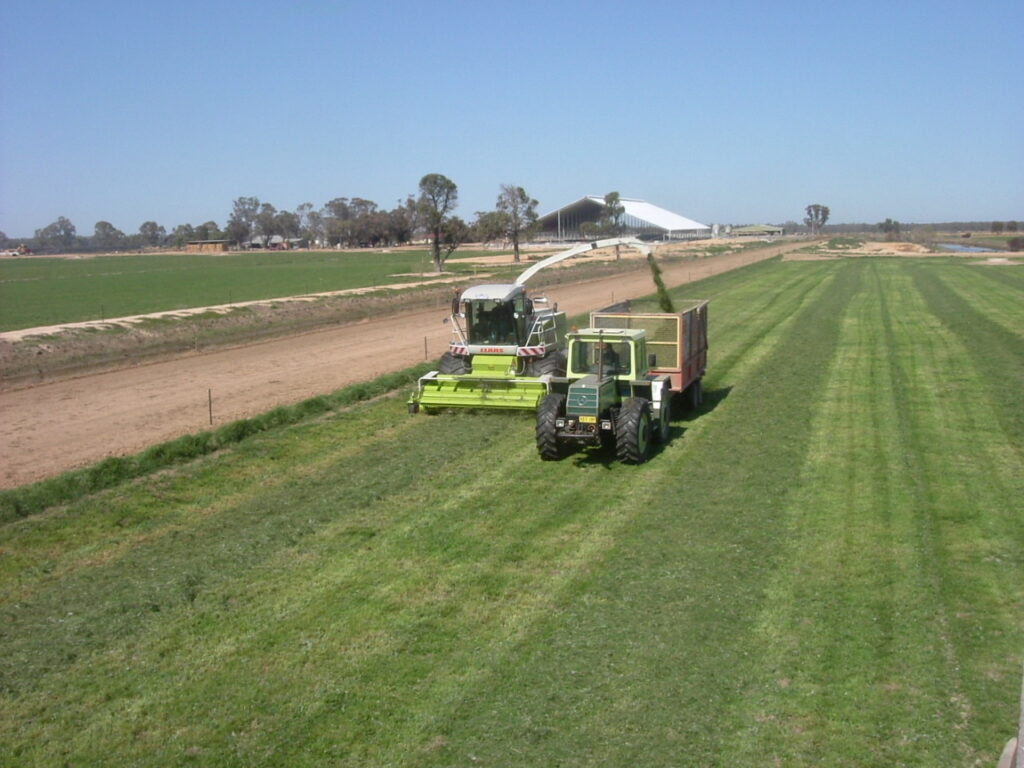
Green forage (corn, barley, grass or alfalfa) that is chopped and stored airtight in a silo, bunker or wrapped bales so it ferments and keeps. It is a main winter feed for dairy and beef cattle.
Social Insurance Number
The 9-digit number you need to work in Canada and get paid. You apply to Service Canada once you have a valid work permit or status. Keep it private and only give it to your employer and the government.
Temporary Foreign Worker Program
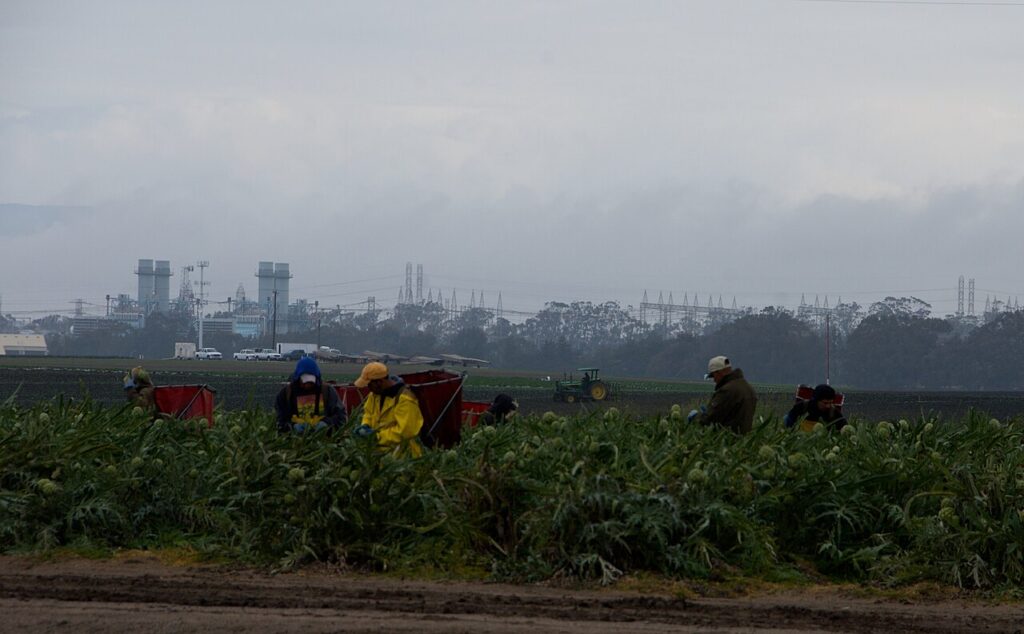
A federal program that lets Canadian employers hire foreign workers when no Canadians or permanent residents are available. Most farm employers first need a Labour Market Impact Assessment (LMIA) to hire through it.
The Maritimes

The Maritimes is a Canadian term to describe the collective of three Eastern Atlantic Provinces. These provinces include Nova Scotia, New Brunswick, and Prince…
Triticale

Triticale (Triticosecale Wittmack) is a man-made hybrid cereal crop, created by crossing wheat (Triticum) with rye (Secale). This hybrid aims to combine the quality…
Work permit
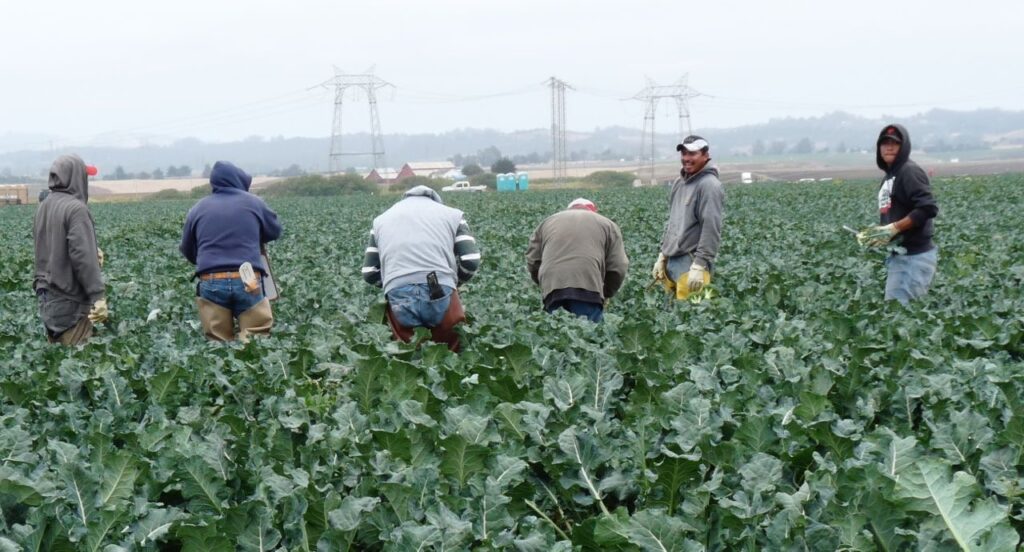
Government permission for a foreign national to work in Canada. Most farm workers from abroad get an employer-specific permit tied to one employer, often through the Temporary Foreign Worker Program. An open work permit lets you work for almost any employer.