Haskap berries have a unique flavor, often described as a mix between blueberries, raspberries, and blackberries. They are highly nutritious and beneficial for health due to their high antioxidant content. The berries are versatile in their use, suitable for fresh consumption or in various processed forms such as juice, wine, and freeze-dried powder. They are grown extensively in British Columbia, Ontario, and the Maritimes.
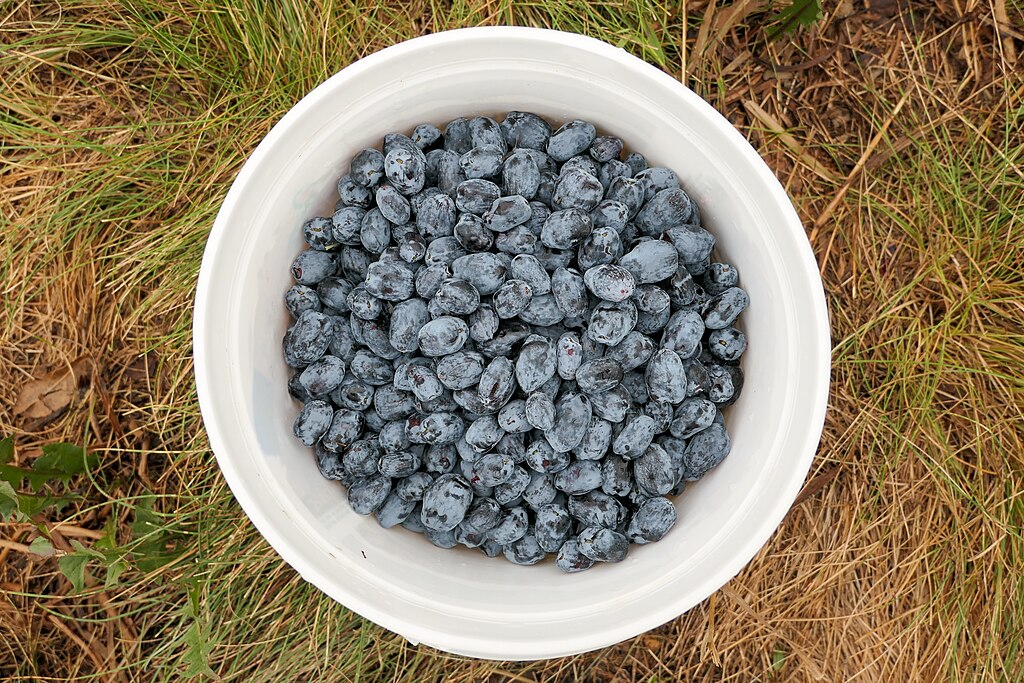
Haskap berries are hardy and resilient, ideal for gardeners in colder climates able to withstand temperatures as low as -40°C. They require well-drained soil and full sun to partial shade. Planting two different varieties can enhance pollination and fruit production. Pruning is essential to maintain plant health and productivity. Haskap berries can be harvested in early summer, often before strawberries. They are low-maintenance and can be a valuable addition to any garden.
Also known as blue honeysuckle, they are native to the northern hemisphere and have been used in traditional medicine. They are rich in antioxidants, vitamins C and A, and fiber. Haskap berries are notable for their high levels of anthocyanins, which give them their deep blue color. They can be used in various culinary applications, including smoothies, jams, and desserts. These berries thrive in cold climates, like Canada, making them well-suited for regions with harsh winters.
The University of Saskatchewan has played a significant role in developing Haskap varieties suited for Canadian environments, leading to widespread cultivation from coast to coast.